Butiken
Europe and the geopolitics of 6G
Research
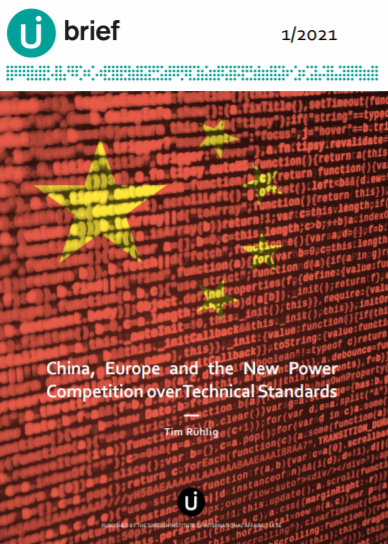
As global technological rivalry intensifies, 6G is poised to redefine power structures in telecommunications, with major implications for national security, economic leadership, and technological sovereignty. It is also one of the few remaining areas of strength for Europe, with China and the US otherwise dominating the tech scene.
This report examines the geopolitical landscape of the battle for 6G, the stakes involved, and the positions of key actors, outlining possible scenarios for what a 6G future could look like. From a European vantage point, it argues how the EU can build on its strengths, accelerate its leadership in critical areas, and safeguard its interests using the economic security toolbox currently under development.
‘Europe and the geopolitics of 6G’ is the first in a series of in-depth analyses exploring the strategic, economic, and security dimensions of next-generation wireless technology. Future reports in this series will expand on key aspects of 6G development, including security challenges, regulatory frameworks, and the evolving standards that will shape the next era of digital connectivity. By providing critical insights into these issues, the series aims to inform policymakers, industry leaders, and researchers about the geopolitical stakes of 6G and the pathways toward the next generation of telecommunications.
The 6G project at the Swedish Institute of International Affairs has been made possible by a grant from the Swedish Ministry of Foreign Affairs.